Article
Kela, DVV and tax if a stay in Asia runs longer
A short holiday and a longer stay outside the EU are different things. These are the authorities’ main lines, not a decision about your own situation.
Checked on 22 November 2026 (Europe/Helsinki). Always notify and ask Kela, DVV and the Finnish Tax Administration, because the assessment is individual.
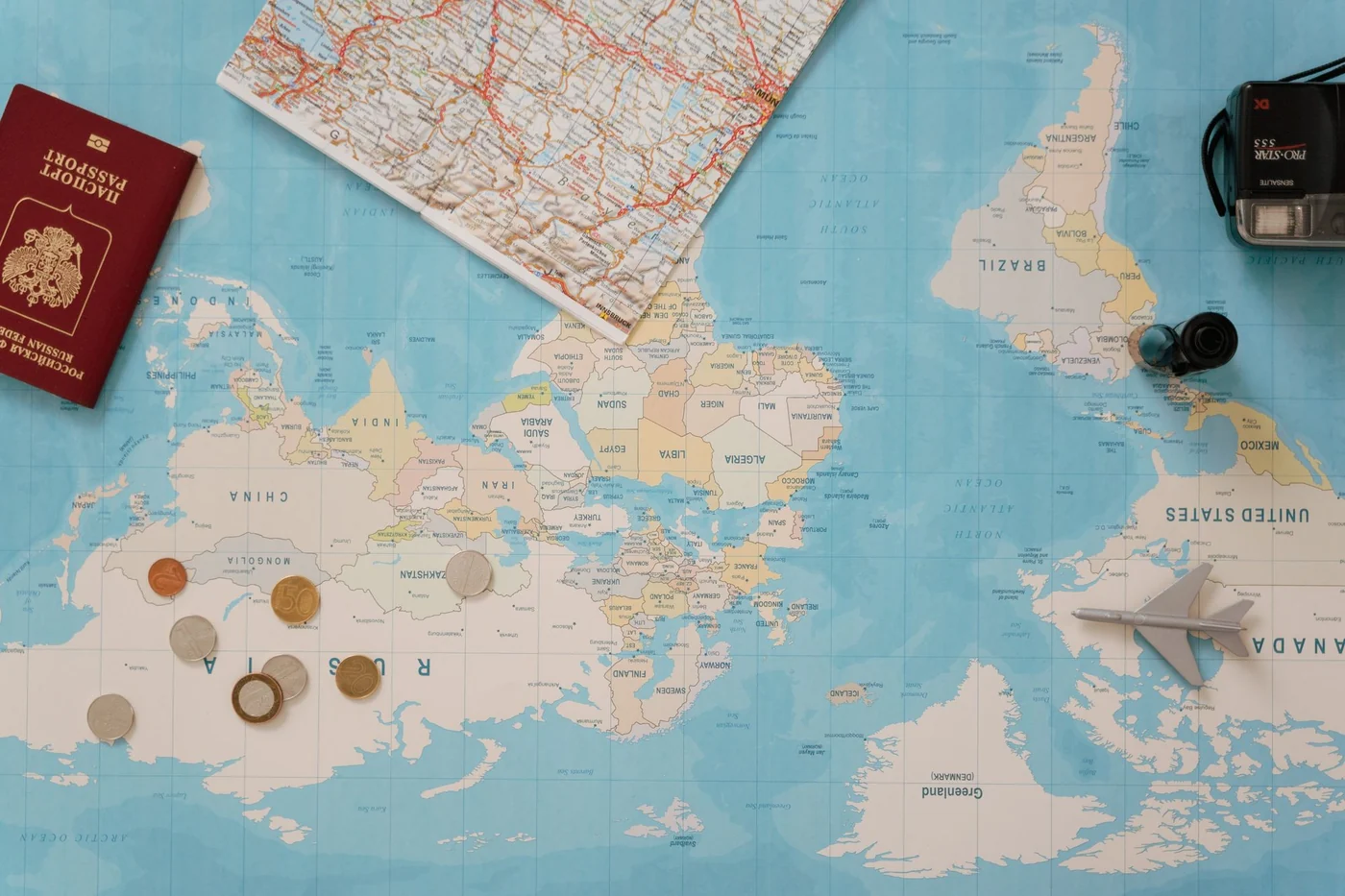
Photo: Tima Miroshnichenko / Pexels
Three notifications, three different authorities
Kela (the Social Insurance Institution of Finland), the Digital and Population Data Services Agency (DVV) and the Finnish Tax Administration are not the same body. A notice to one does not always replace a notice to the other. On a short holiday you usually do not report a move. When the stay runs longer, or when the intention is to live abroad, the situation changes.
Kela applies to people who are resident in Finland. If you live in another country, your home social-security institution is the one to ask; Kela’s six-month rule does not automatically apply to you.
Kela
According to Kela’s guidance, leaving Finland can affect benefits. If you live somewhere other than an EU or EEA country, Switzerland or the United Kingdom for at most six months, you can usually receive Kela benefits as if you lived in Finland (exceptions include social assistance and child home care allowance). If you stay more than six months outside those areas, Kela usually treats the move as permanent and benefit payments stop.
All six countries on Aasiaan.fi — Cambodia, Vietnam, Thailand, the Philippines, Japan and Bali (Indonesia) — are outside this EU/EEA area. That is why the six-month limit matters in practice if you are planning a stay longer than a winter.
Report your departure in OmaKela especially if you will be abroad for more than three months and you receive benefits or have a European Health Insurance Card. The card does not cover care in Asia. Kela’s healthcare guidance is worth reading if the move is longer: health insurance and reimbursements can change.
DVV
Kela also advises you to notify the Digital and Population Data Services Agency of a departure abroad. A move intended as permanent is reported to DVV, after which you usually no longer have a municipality of residence in Finland. A temporary stay abroad can be recorded in another way, and the municipality of residence can remain. Check current guidance and forms at dvv.fi, because practice and deadlines should be confirmed from the primary source just before you file. (The DVV page did not open automatically in this research; that is why we do not quote a specific deadline without an opened page.)
The Tax Administration and the three-year rule
If you are a Finnish citizen and move abroad, you are, according to the Tax Administration, usually generally liable to tax in Finland for the year of the move and the three following years. Limited tax liability can apply earlier only if you yourself request it and show that there are no longer substantial ties to Finland. A substantial tie can be, for example, a spouse or a home in Finland. A person generally liable to tax pays tax in Finland on worldwide income.
Source: vero.fi, From Finland abroad and the guidance on the three-year rule. Finland has an income-tax treaty with Japan, Thailand, Vietnam and the Philippines. Based on the Finlex list of income-tax treaties (updated 23 October 2026), Cambodia does not appear on the list; check the list before a move, because the situation can change and the risk of double taxation is higher without a treaty.
Insurance and a visa are not handled by these notifications
Ordinary travel insurance does not usually cover a long stay. A Finnish business run remotely is not a local work permit. A visa always comes from the destination country’s authorities. These have to be arranged separately.
Country pages: Thailand, Vietnam, Cambodia, Philippines, Japan, Bali.